Road trip ideas › By campervan
Andalusia by campervan in winter: 10 stops where it is still warm
From November to March the south of Spain is where Europe's campervans go: mild days, cheap fuel, and a coast and two mountain ranges within an afternoon of each other. This loop runs from the desert coast to the Atlantic.
Plan this trip1 Cabo de Gata
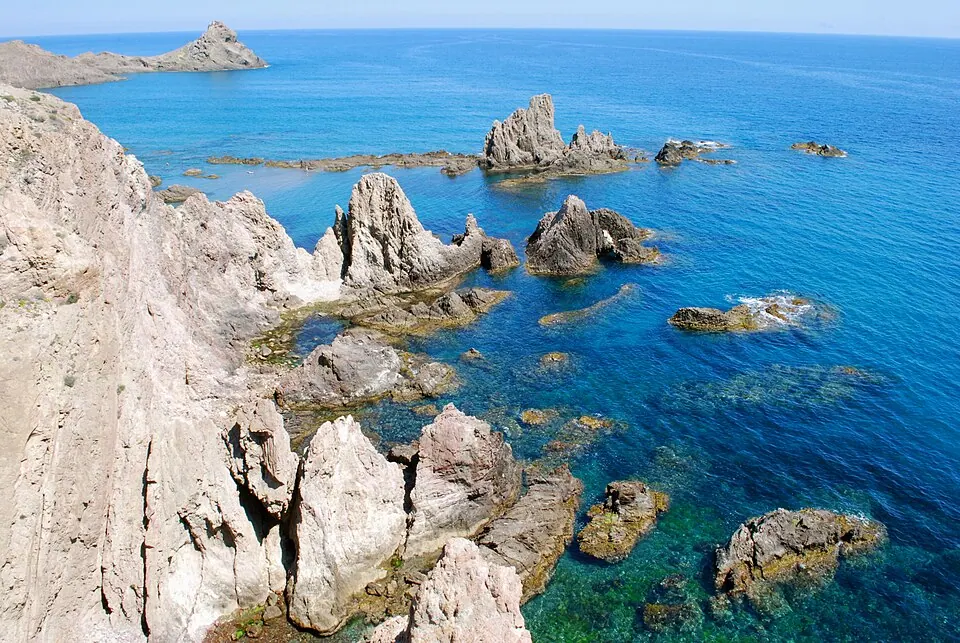
Photo by Martyn Thompson (Cabo de Gata Photography), CC BY-SA 2.5, via Wikimedia Commons. The Cabo de Gata-Níjar Natural Park is a natural park located in Almería, Spain. It is the largest protected coastal area in Andalusia, featuring a rugged landscape. Wikipedia
The driest corner of Europe: volcanic hills, empty beaches and white villages. Park at the official areas; the beaches are patrolled.
Written about in 21 languagesStart a trip here
2 Granada
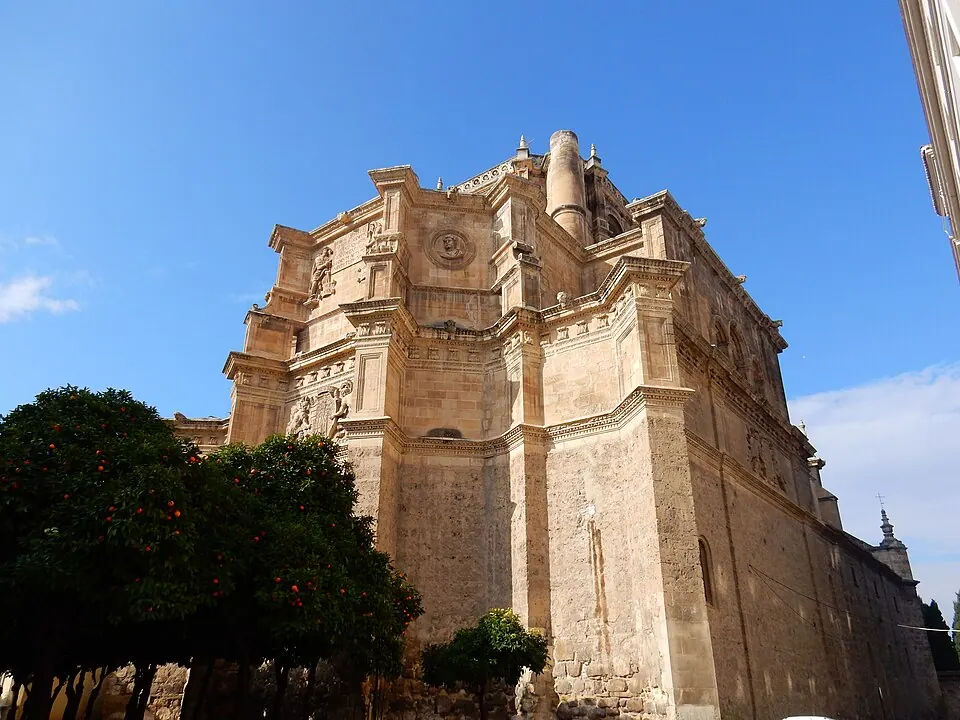
Photo by Brett Hodnett, CC BY-SA 2.0, via Wikimedia Commons. Granada is the capital city of the province of Granada, in the autonomous community of Andalusia, Spain. Granada is located at the foot of the Sierra Nevada mountains, at the confluence of four rivers, the Darro, the Genil, the Monachil and the Beiro. Wikipedia
The Alhambra, with tickets that sell out weeks ahead in any season. The city has a proper motorhome area a bus ride from the centre.
Written about in 129 languagesStart a trip here
3 The Sierra Nevada
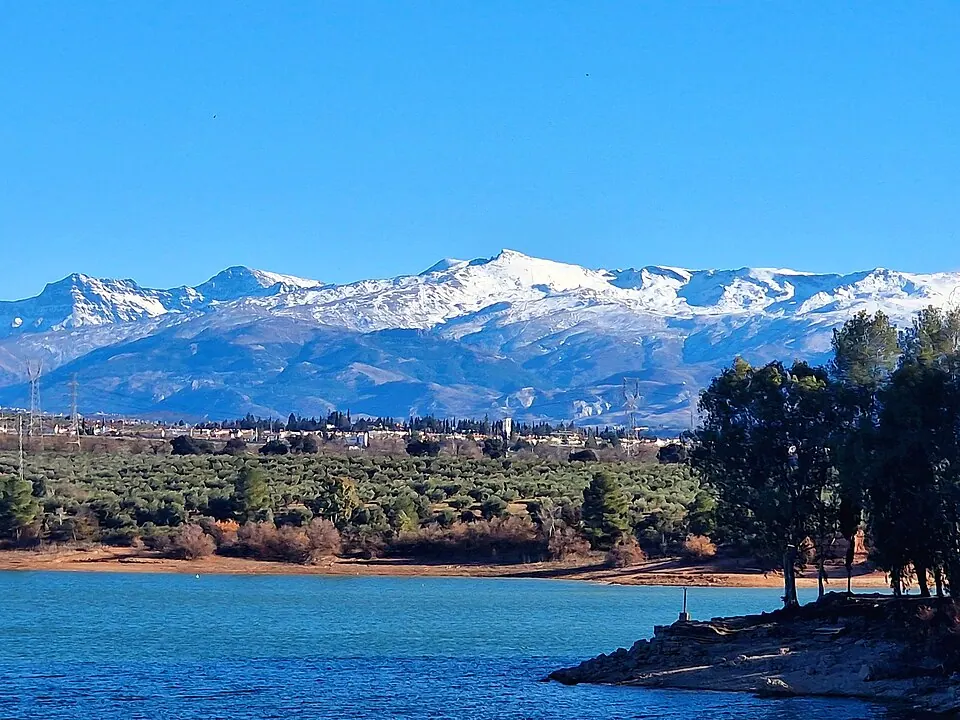
Photo by Lopezsuarez, CC0, via Wikimedia Commons. Sierra Nevada is a mountain range in the Andalusian provinces of Granada and Almeria in Spain. It contains the highest point of continental Spain: Mulhacén, at 3,479 metres (11,414 ft) above sea level. Wikipedia
Snow on the peaks while the coast is in shirt sleeves. The road up to the ski resort is open all winter; the Alpujarras villages on the south side are the better drive.
Written about in 54 languagesStart a trip here
4 Ronda
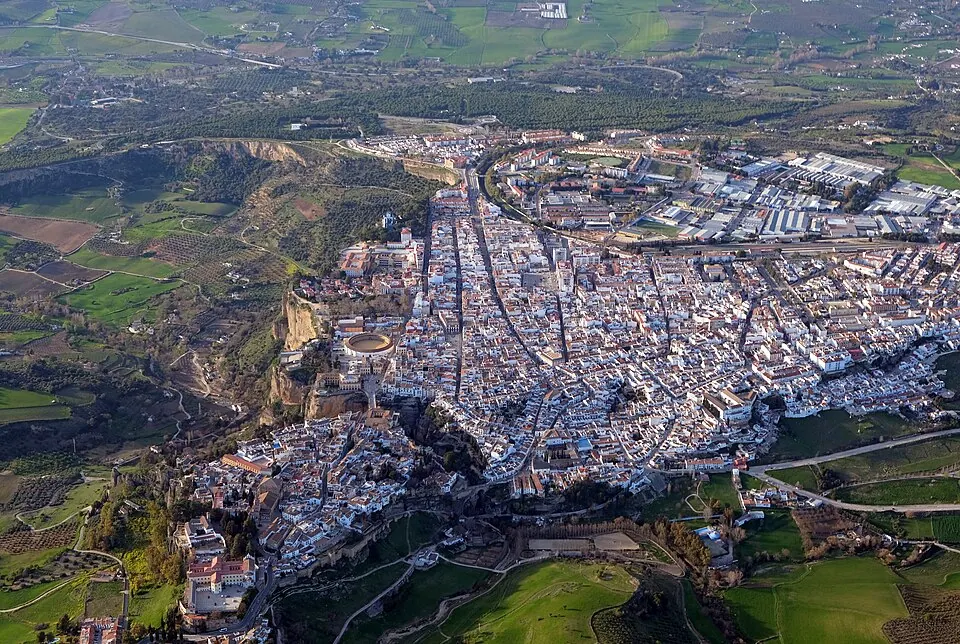
Photo by kallerna, CC BY-SA 4.0, via Wikimedia Commons. Ronda is a municipality of Spain belonging to the province of Málaga, within the autonomous community of Andalusia. Wikipedia
The town split by a gorge, with the bridge across it. The motorhome area is a short walk from the old town.
Written about in 71 languagesStart a trip here
5 Sierra de Grazalema
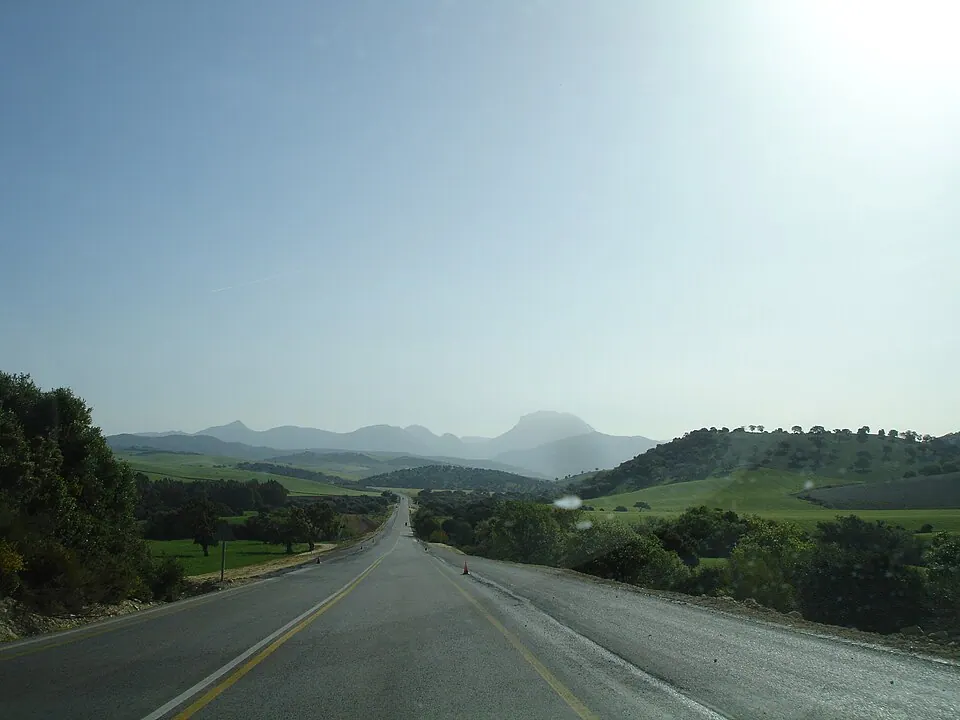
Photo by El Pantera, CC BY-SA 3.0, via Wikimedia Commons. The Sierra de Grazalema Natural Park is a natural park in the northeastern part of the province of Cádiz in southern Spain. Wikipedia
One of the rainiest places in Spain, which is why it is green: the white villages of Grazalema and Zahara and the road between them over the Puerto de las Palomas.
Written about in 17 languagesStart a trip here
6 Cádiz
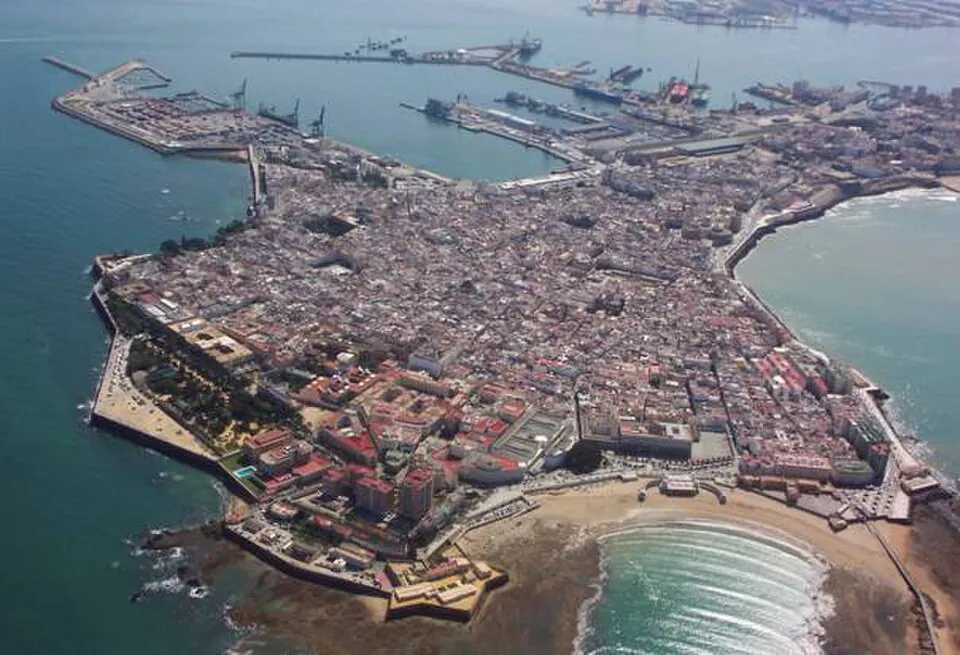
Photo by fuente: COVT, CC BY 3.0, via Wikimedia Commons. Cádiz is a city in Spain and the capital of the province of Cádiz in the autonomous community of Andalusia. It is located in the southwest of the Iberian Peninsula off the Atlantic Ocean separated from neighbouring San Fernando by a narrow isthmus. Wikipedia
An old port city on an island, with beaches on the city side and the Atlantic rolling in. Park outside and walk in.
Written about in 103 languagesStart a trip here
7 Tarifa
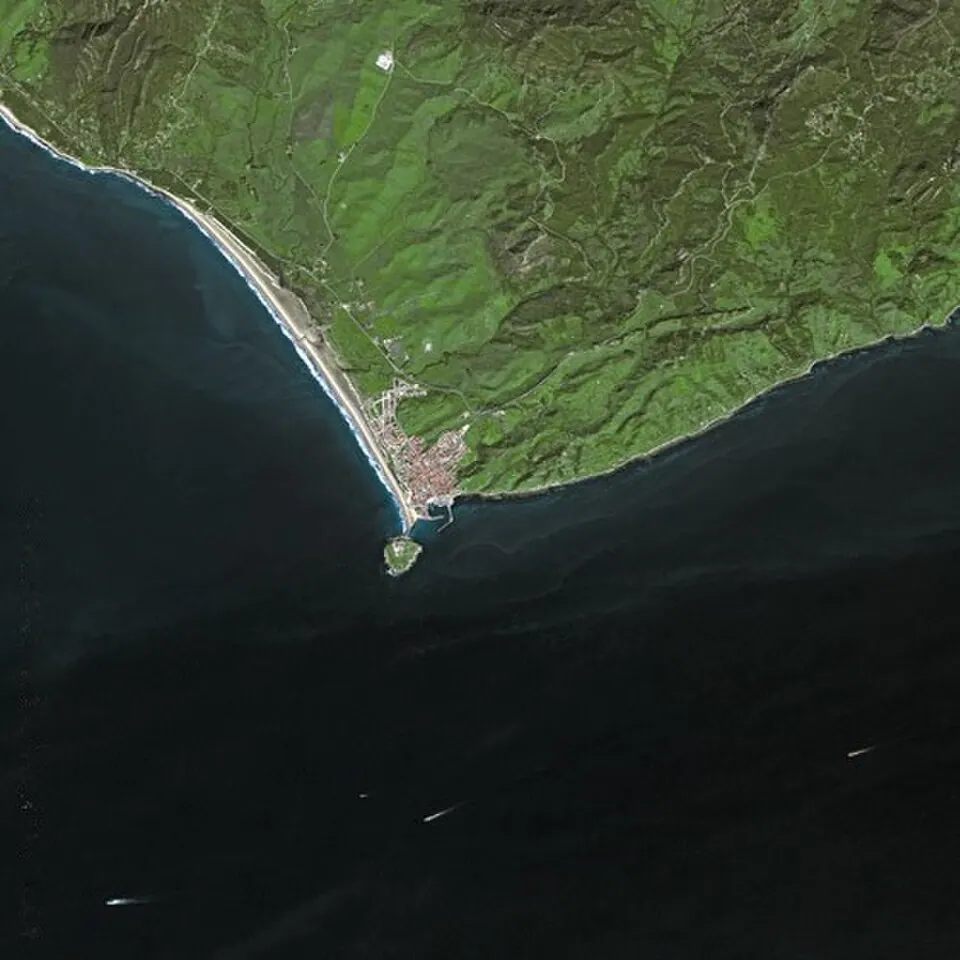
Photo by Cnes - Spot Image, CC BY-SA 3.0, via Wikimedia Commons. Punta de Tarifa (Tarifa Point) is the southernmost point of the Iberian Peninsula and Continental Europe. It is located in the province of Cádiz and the autonomous community of Andalusia on the Atlantic end of the Straits of Gibraltar. Wikipedia
The southern tip of Europe, with Africa across the strait on a clear day and a wind that never stops; the kitesurfing beaches have the van parking.
Written about in 39 languagesStart a trip here
8 Doñana National Park
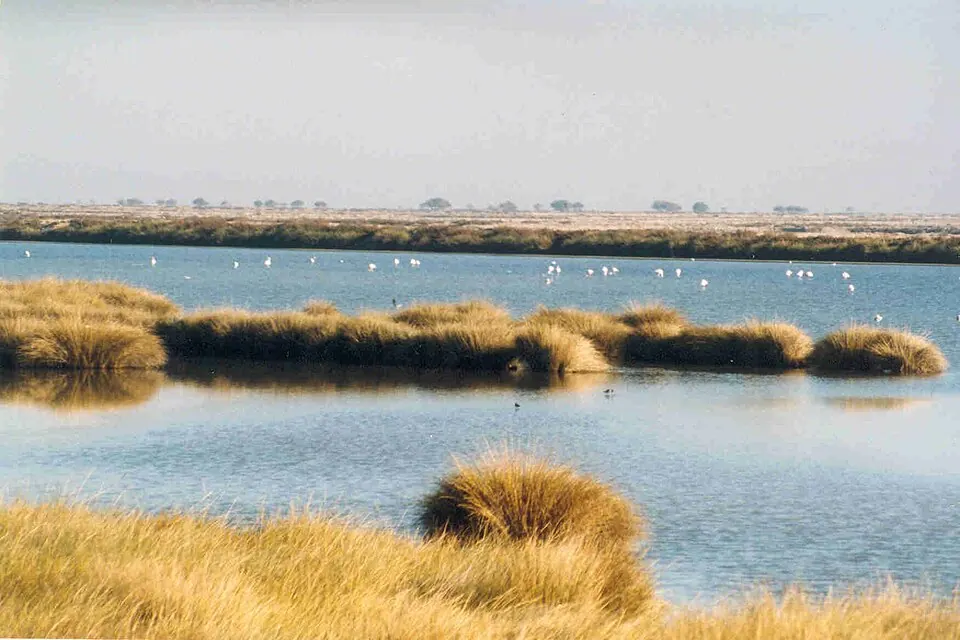
Photo, CC BY-SA 3.0, via Wikimedia Commons. Doñana National Park or Parque Nacional y Natural de Doñana is a natural reserve in Andalusia, southern Spain, in the provinces of Huelva (most of its territory within the municipality of Almonte), Cádiz and Seville. It covers 543 km2 (209. Wikipedia
Marshes, dunes and the pilgrimage village of El Rocío with its sand streets. Winter is when the birds are here.
Written about in 50 languagesStart a trip here
9 Seville
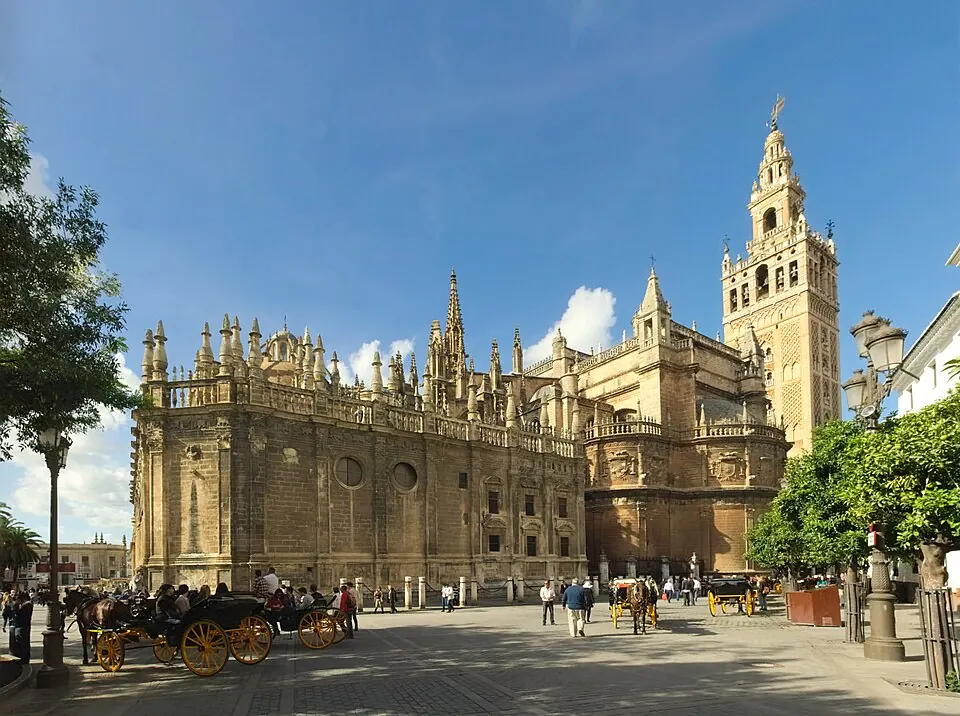
Photo by Ingo Mehling, CC BY-SA 4.0, via Wikimedia Commons. Seville is the capital and largest city of the Spanish autonomous community of Andalusia and the province of Seville. It is situated on the lower reaches of the River Guadalquivir, in the southwest of the Iberian Peninsula. Wikipedia
Orange trees, the cathedral, tapas at eleven at night. The motorhome areas are by the river; the centre is for walking.
Written about in 155 languagesStart a trip here
10 Córdoba
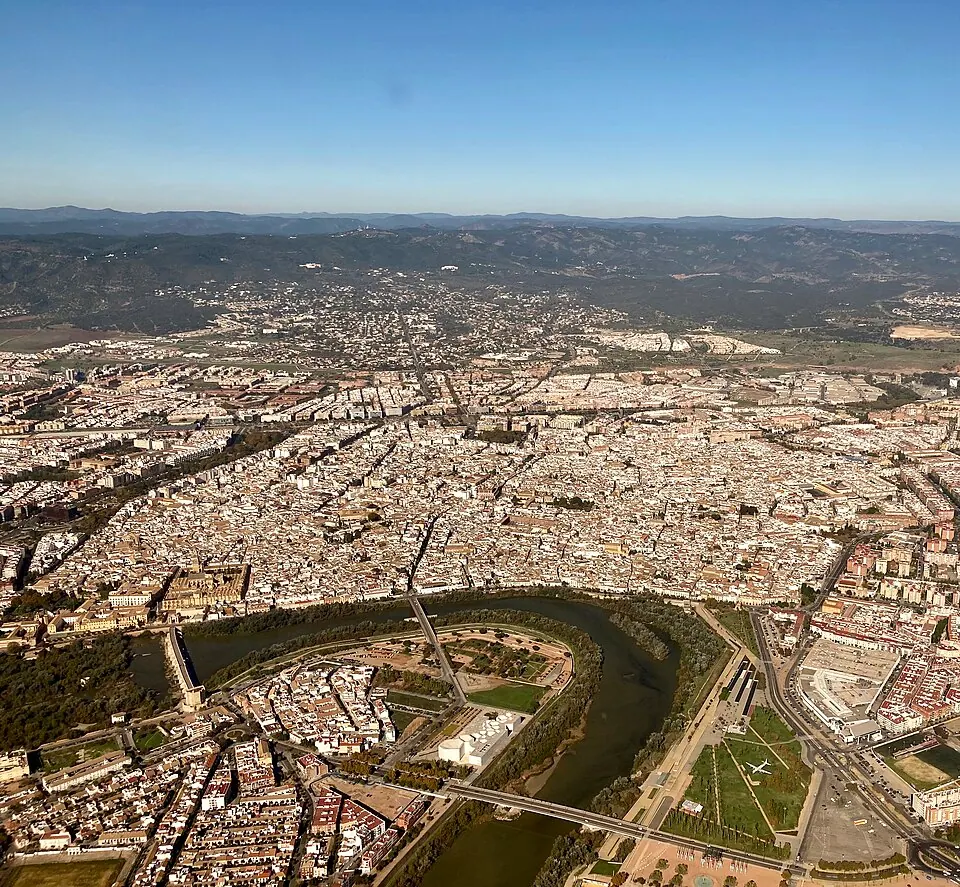
Photo by kallerna, CC BY-SA 4.0, via Wikimedia Commons. Córdoba, or sometimes Cordova, is a city in Andalusia, Spain, and the capital of the province of Córdoba. With a population of 324,902 as of 2024, it is the 12th-largest city in Spain and the 3rd-largest in Andalusia. Wikipedia
The Mezquita and the patios, and a quieter city than Seville. A good last stop before the road north.
Written about in 120 languagesStart a trip here
Riding or driving it
Spanish motorhome areas (áreas de autocaravanas) are cheap or free and listed in the usual apps; wild camping rules vary by municipality and the coast is strict. Roadlegs keeps the days short and the fuel cost in view; set the van height for the old-town streets.
Open the plan in Roadlegs How the planner handles this vehicle.
About the facts and photos
The descriptions in italics are the opening sentences of the Wikipedia article for each place, used under CC BY-SA 4.0, fetched on 6 October 2026. Photos are from Wikimedia Commons under the licence named beside each one. "Written about in N languages" counts the Wikipedia editions that have an article, from Wikidata; it is a measure of how well known a place is, not a rating. Everything else is the author's own opinion. Roads close with the seasons: check before you go.
More ideas
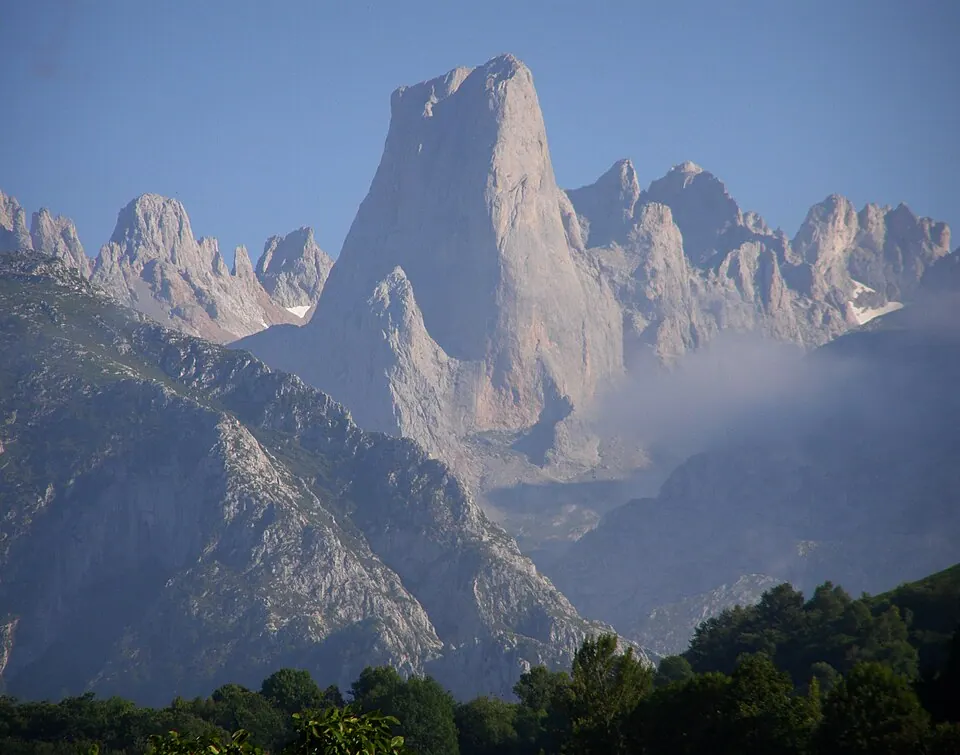
Best motorcycle roads in Spain and Portugal
Eight roads for a motorcycle trip in Iberia: Picos de Europa, the Pyrenees, Sierra Nevada, the Algarve and the N2 through Portugal.
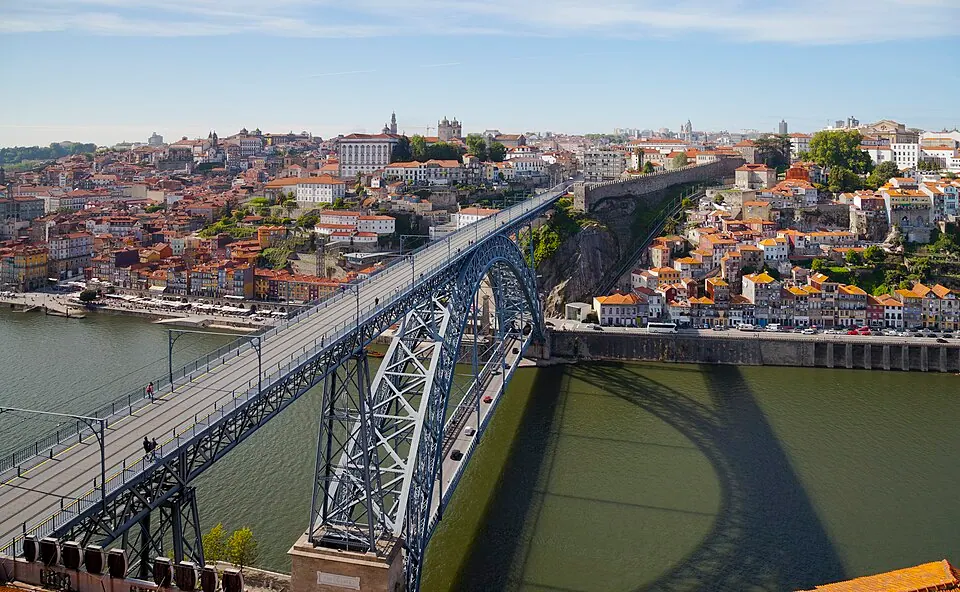
Portugal by campervan: the Atlantic coast from Porto to the Algarve
A two-week campervan route down the Portuguese coast: Porto, Nazaré, Peniche, Sintra, Comporta, the Alentejo coast and the Algarve, with the camping rules.
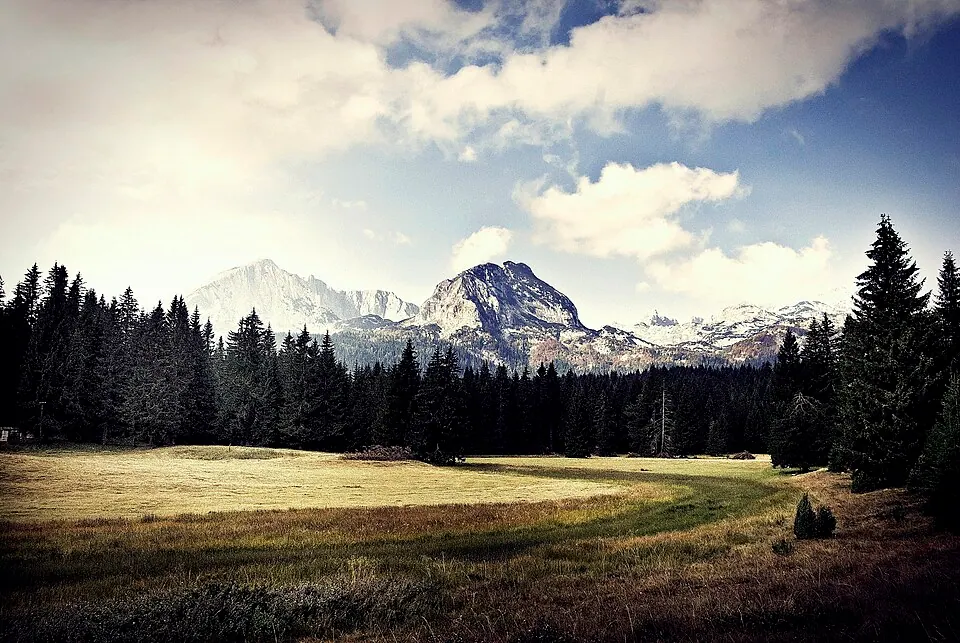
The Balkans by motorcycle: 10 roads from Montenegro to Albania and Bosnia
Ten Balkan roads for a motorcycle: the Durmitor ring, the Tara canyon, the Kotor serpentine, Llogara Pass, the Albanian Riviera, Theth and the Neretva canyon.

.jpg)
.jpg)


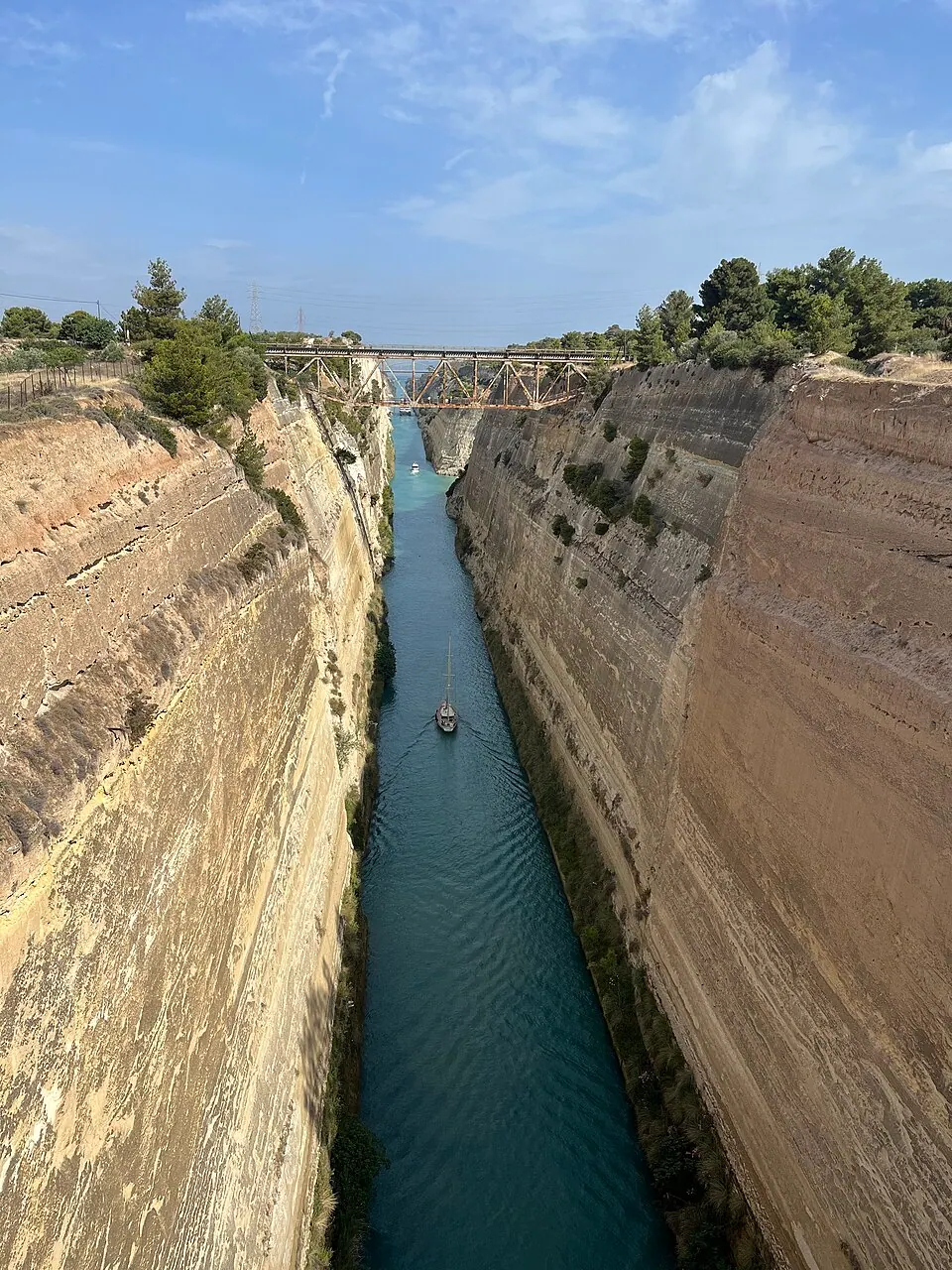
Greece by car: the Peloponnese, Delphi and Meteora in ten days
A ten-day road trip in Greece by car from Athens: Corinth, Mycenae, Nafplio, Epidaurus, Monemvasia, the Mani, Olympia, Delphi and Meteora, with where to stop and how long.