Two weeks across Europe by car: Baltics to the Riviera and back
Two weeks and a car is enough to see the middle of Europe properly. This loop goes west by the cities and comes back by the mountains.
Plan this trip1 Warsaw
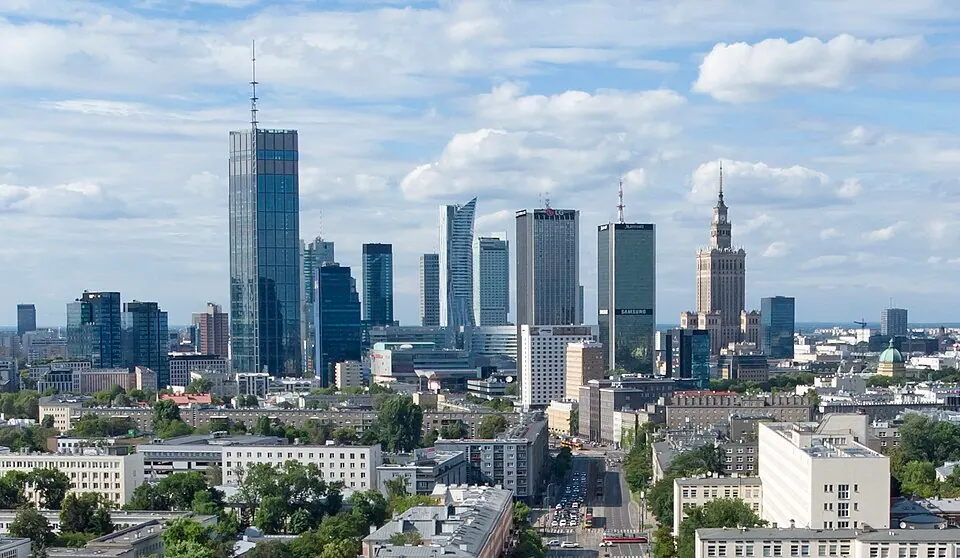
Photo by Emptywords, CC BY-SA 4.0, via Wikimedia Commons. Warsaw, officially the Capital City of Warsaw, is the capital and most populous city of Poland. The metropolis stands on the river Vistula in east-central Poland. Wikipedia
Day 1: 450 km to Warsaw's rebuilt old town. Easy motorway, a good first night.
Written about in 245 languagesStart a trip here
2 Berlin
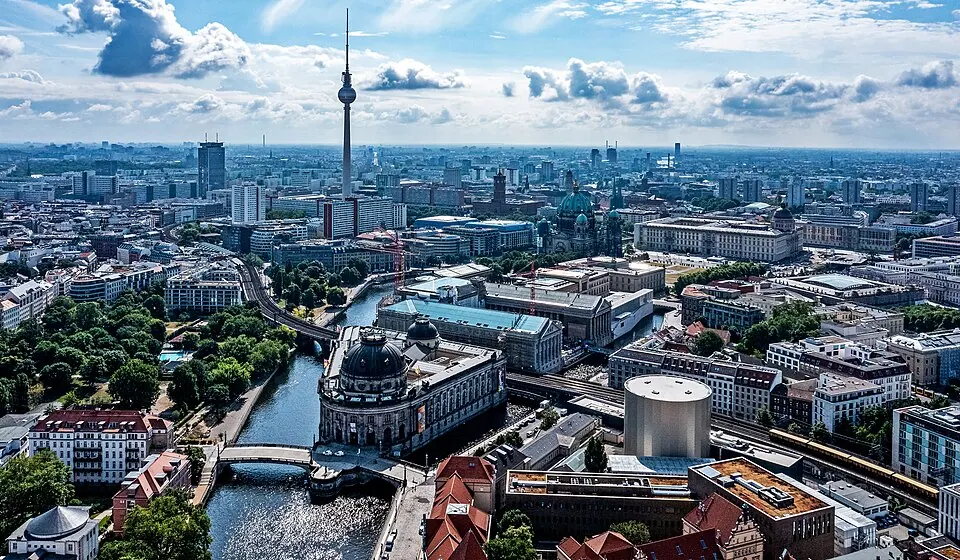
Photo by File:Museumsinsel Berlin Juli 2021 1 (cropped).jpg: Kasa Fue derivative work: Ge, CC BY-SA 4.0, via Wikimedia Commons. Berlin is the capital and largest city of Germany. With 3.7 million inhabitants, it has the highest population within its city limits of any city in the European Union (EU). Wikipedia
Day 2 and 3: 570 km to Berlin, a day in the city.
Written about in 271 languagesStart a trip here
3 Heidelberg
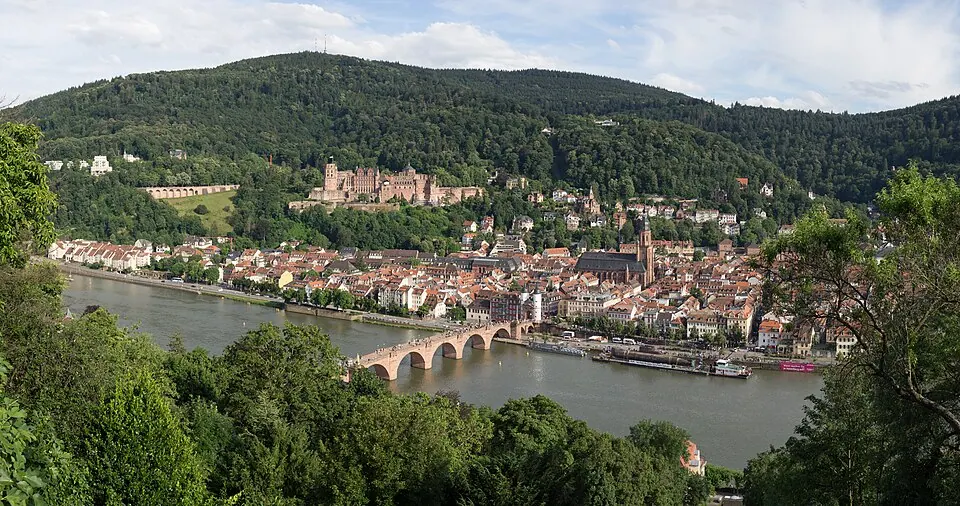
Photo by Jörg Braukmann, CC BY-SA 4.0, via Wikimedia Commons. Heidelberg is the fifth-largest city in the German state of Baden-Württemberg, and with a population of about 163,000, of which roughly a quarter consists of students, it is Germany's 51st-largest city. Wikipedia
Day 4: south by Leipzig to Heidelberg and the Neckar.
Written about in 124 languagesStart a trip here
4 Lake Geneva and Montreux
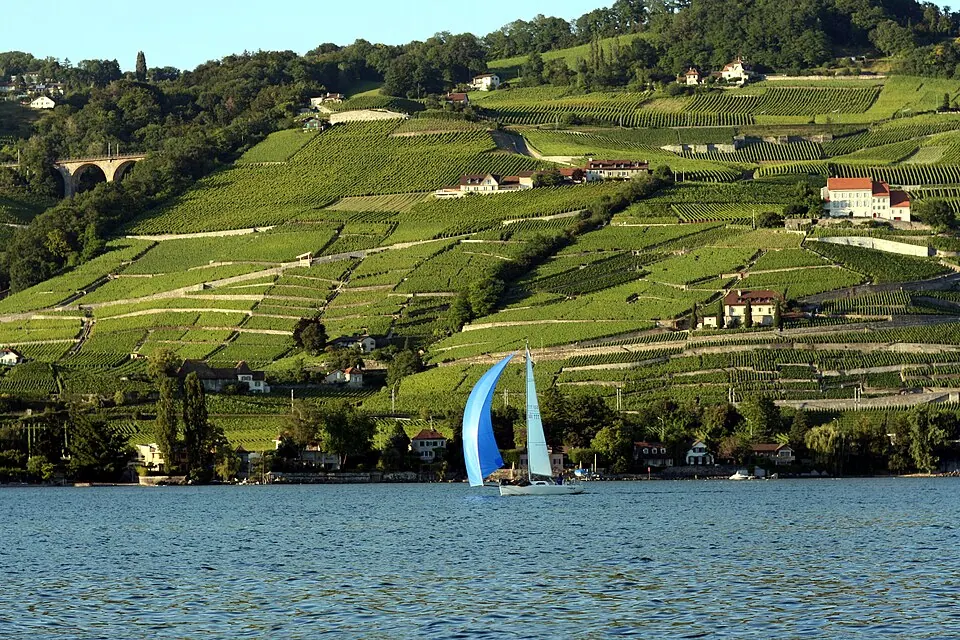
Photo by Erik Charlton, CC BY 2.0, via Wikimedia Commons. Lake Geneva is a deep lake on the north side of the Alps, shared between Switzerland and France. It is one of the largest lakes in Western Europe and the largest on the course of the Rhône. Wikipedia
Day 5 and 6: Basel, Bern, then the vineyards above the lake at Lavaux.
Written about in 94 languagesStart a trip here
5 Route des Grandes Alpes
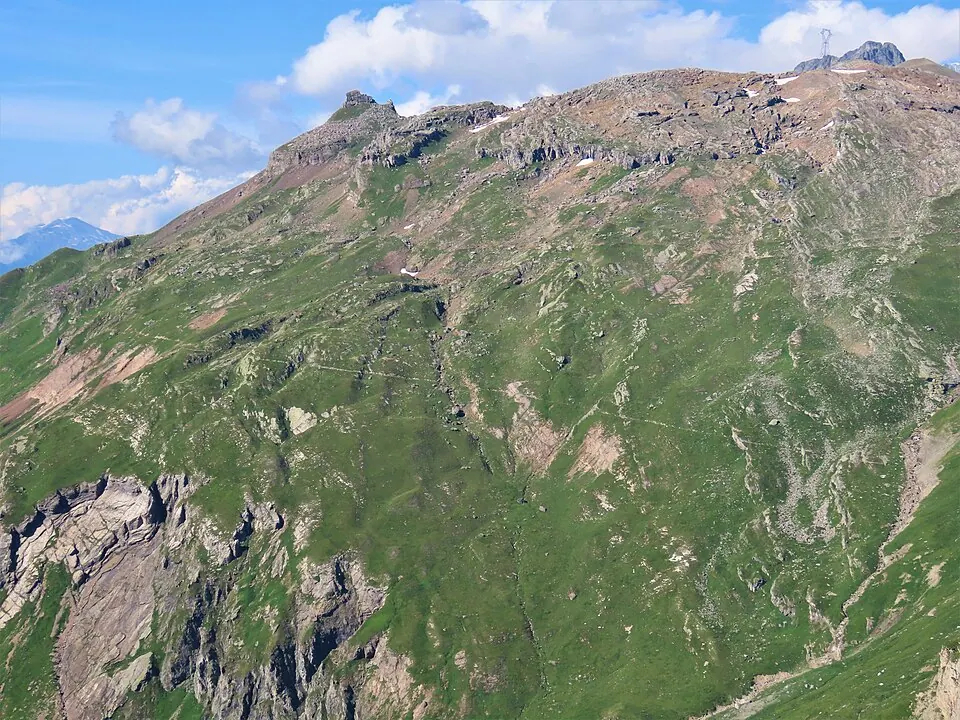
Photo by Rémih, CC BY-SA 4.0, via Wikimedia Commons. The Route des Grandes Alpes (RdGA) is a tourist itinerary through the French Alps between Lake Geneva and the French Riviera climbing all the high Alpine passes within France. This true classic trip is 720 km (447 mi) long. Wikipedia
Day 7 to 9: Thonon to Menton over the passes, 700 km. The heart of the trip.
Written about in 7 languagesStart a trip here
6 Nice and the Riviera
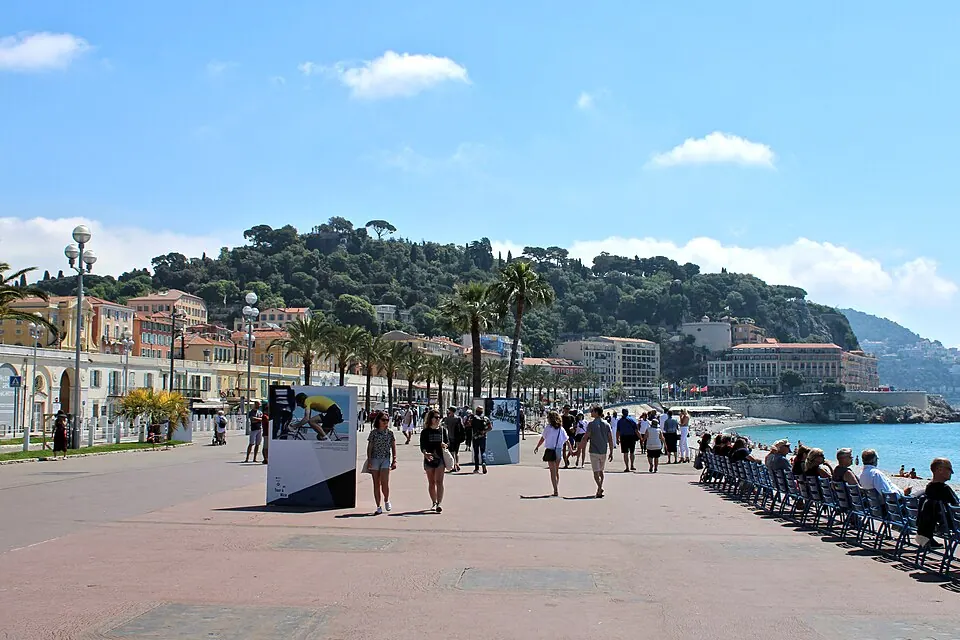
Photo by Alexander Migl, CC BY-SA 4.0, via Wikimedia Commons. Nice is a city and commune, and the prefecture of the department of Alpes-Maritimes, and the administrative region of Provence-Alpes-Côte d'Azur, France. Wikipedia
Day 10: a day off by the sea, with the Promenade des Anglais and the old town. The car stays in the hotel garage.
Written about in 146 languagesStart a trip here
7 Lake Como
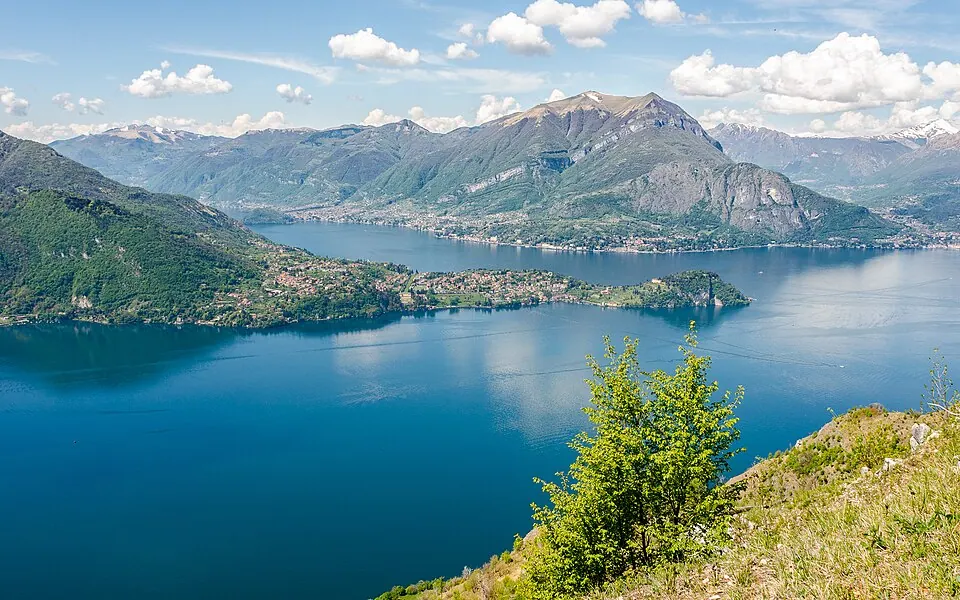
Photo by Luca Casartelli, CC BY-SA 2.0, via Wikimedia Commons. Lake Como, also known as Lario, is a lake of glacial origin in Lombardy, Italy. It has an area of 146 km2 (56 sq mi), making it the third-largest lake in Italy, after Lake Garda and Lake Maggiore. Wikipedia
Day 11: Genoa, Milan and the lake. The road up the western shore to Menaggio.
Written about in 73 languagesStart a trip here
8 Innsbruck
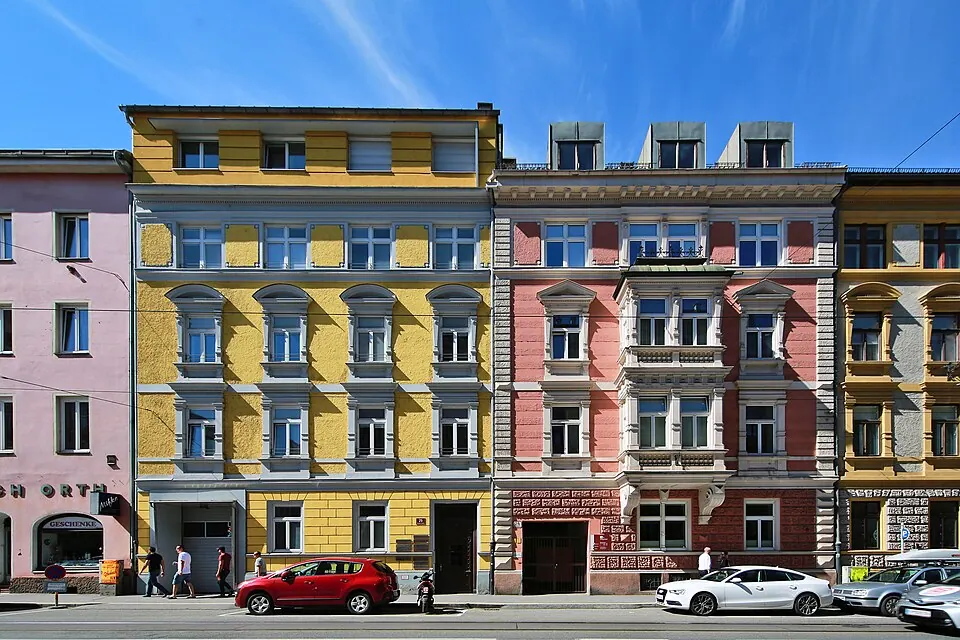
Photo by Simon Legner (User:simon04), CC BY-SA 4.0, via Wikimedia Commons. Innsbruck is the capital of the Austrian state of Tyrol and the fifth-largest city in Austria. It is located on the River Inn, at its junction with the Wipp Valley, which provides access to the Brenner Pass 30 km (19 mi) to the south. Wikipedia
Day 12: over the Brenner to the Tyrol, with the Golden Roof and the Nordkette cable car above the town.
Written about in 130 languagesStart a trip here
9 Prague
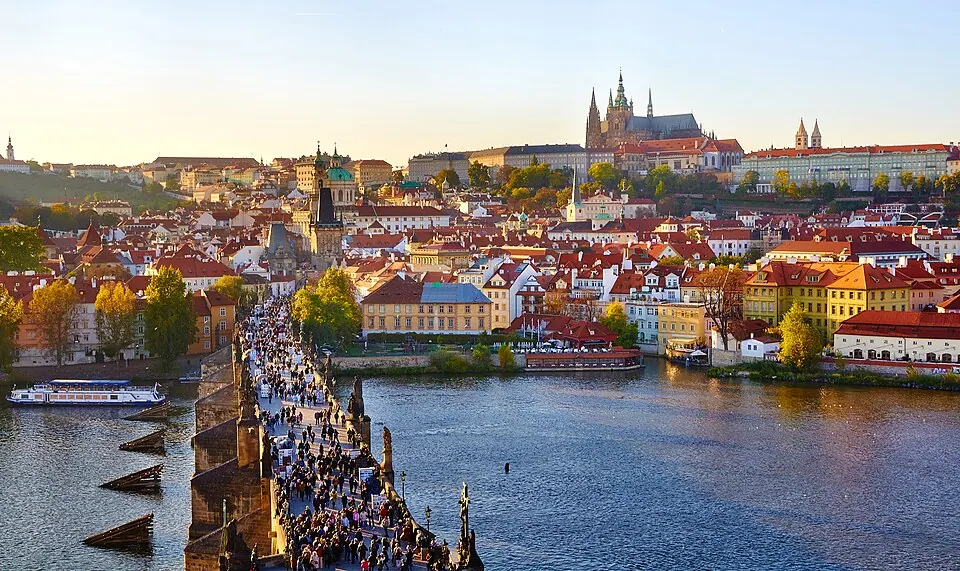
Photo by Moyan Brenn from Italy, CC BY 2.0, via Wikimedia Commons. Prague is the capital and largest city of the Czech Republic and the historical capital of Bohemia. Located on the Vltava River, the city has a population of about 1.4 million, making it the twelfth-largest city in the European Union. Wikipedia
Day 13: Munich, Regensburg and the Danube, then Prague for the night. A long day, so leave early.
Written about in 222 languagesStart a trip here
10 Wrocław
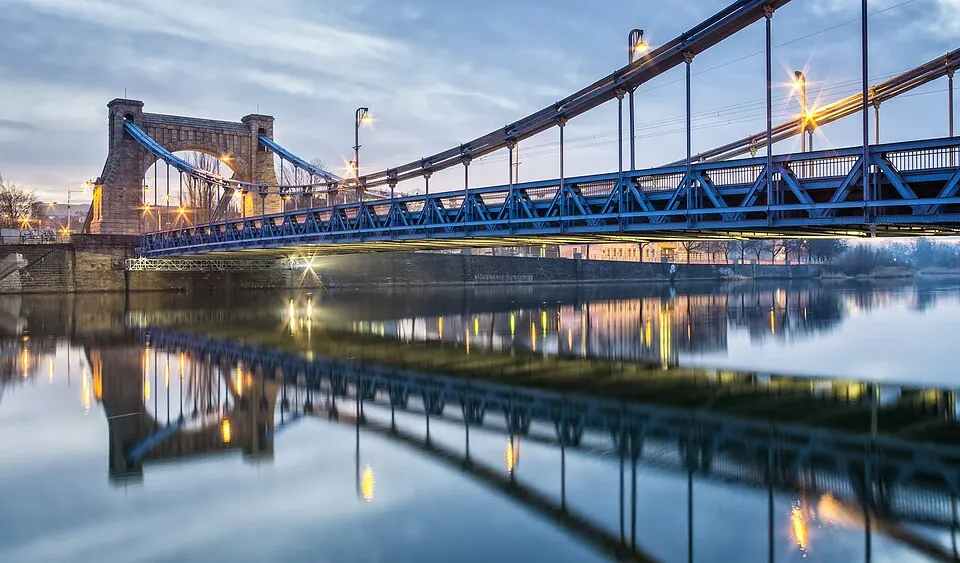
Photo by Jar.ciurus, CC BY-SA 3.0 pl, via Wikimedia Commons. Wrocław is a city in southwestern Poland, and the capital of the Lower Silesian Voivodeship. It is the largest city and historical capital of the regions of Silesia and Lower Silesia. Wikipedia
Day 14: Wrocław, then the long run home through Poland.
Written about in 132 languagesStart a trip here
Riding or driving it
Put the ten stops into Roadlegs with a 6-hour day and the plan comes out at about 5,500 km in 14 days, with the vignettes for Switzerland, Austria and Czechia listed and the fuel cost from your own figures.
Open the plan in Roadlegs How the planner handles this vehicle.
About the facts and photos
The descriptions in italics are the opening sentences of the Wikipedia article for each place, used under CC BY-SA 4.0, fetched on 6 October 2026. Photos are from Wikimedia Commons under the licence named beside each one. "Written about in N languages" counts the Wikipedia editions that have an article, from Wikidata; it is a measure of how well known a place is, not a rating. Everything else is the author's own opinion. Roads close with the seasons: check before you go.
More ideas
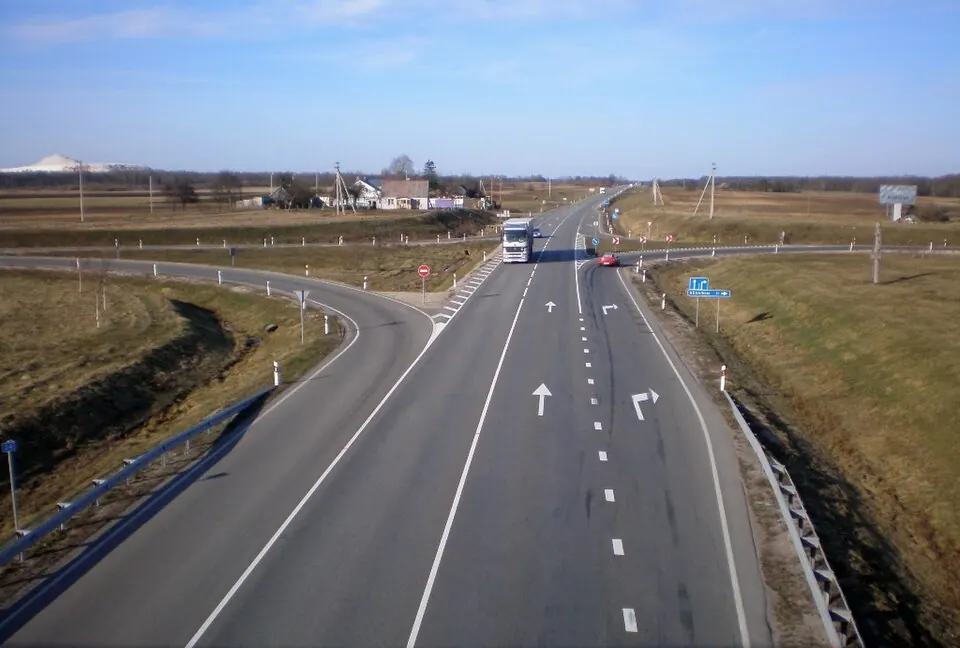
Driving from the Baltics to the Alps: the route, the days and what it costs
How to drive from Vilnius, Riga or Tallinn to the Alps by car: the route through Poland and Czechia, where to stop, vignettes for Austria and Czechia, and fuel.
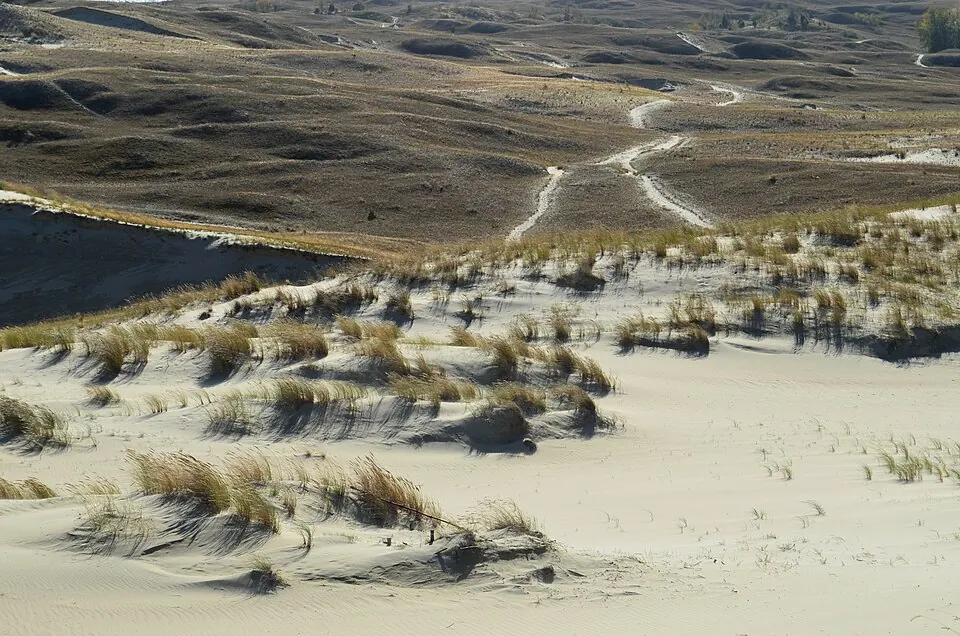
Best road trips from Vilnius: 8 trips, a weekend to two weeks
Eight road trips starting in Vilnius by car, from the Baltic coast and Riga to the Tatras, the Alps and Scandinavia, with days and the countries crossed.
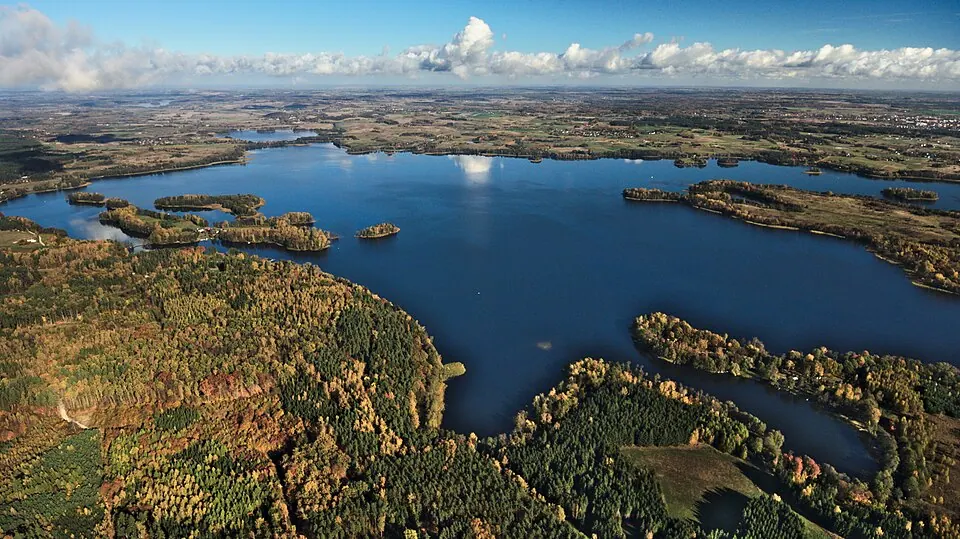
Vilnius to the Alps by motorcycle: the roads to aim for
A ten-day motorcycle trip from Lithuania to the Alps and back, with the stretches worth riding on the way through Poland, Czechia and Austria.
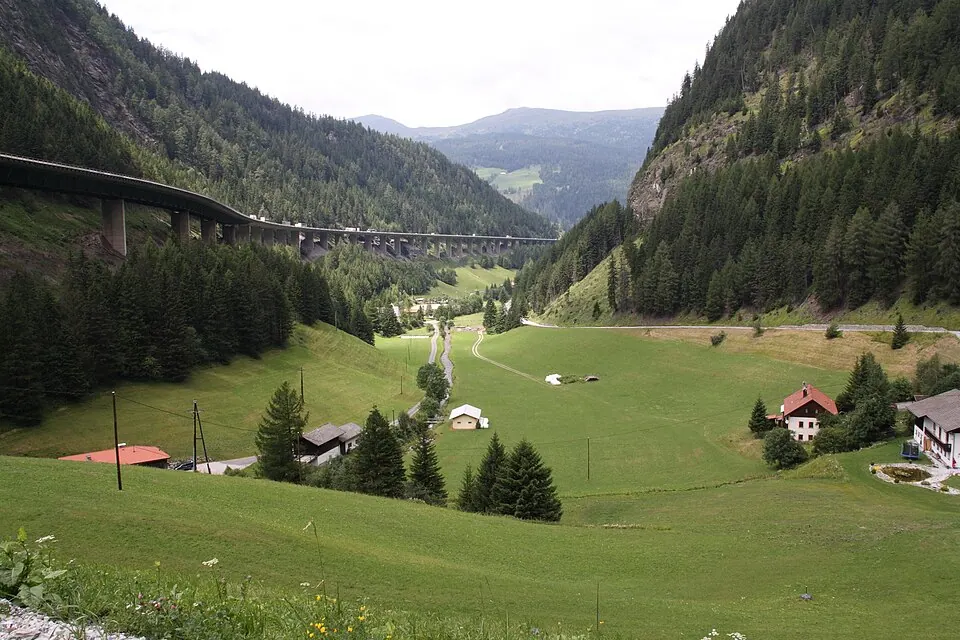
.jpg)
_b.jpg)


.jpg)
.jpg)
.jpg)

The Alps in a campervan: passes that work under 3.5 tonnes
Alpine passes a campervan can take: the Brenner, Reschen, Fern, Arlberg, Grossglockner, Gerlos, Bernina and the Julier, with the ones to avoid and why.