Road trip ideas › By campervan
Norway by campervan: the best regions, campsites and rules
Norway is the campervan destination, and the one with the most rules to know. Here are the regions to aim for, and the practicalities that make the trip easy.
Plan this trip1 The right to roam (allemannsretten)
The freedom to roam or right to roam, also called everyone's right, every person's right or everyman's right, is the general public's right to access certain public or privately owned land, lakes, and rivers for recreation and exercise. Wikipedia
You may stop for a night on uncultivated land at least 150 m from a house, but not in a car park with a no-camping sign. Campsites are the rule in the popular fjords.
Written about in 25 languages
2 Hardangervidda
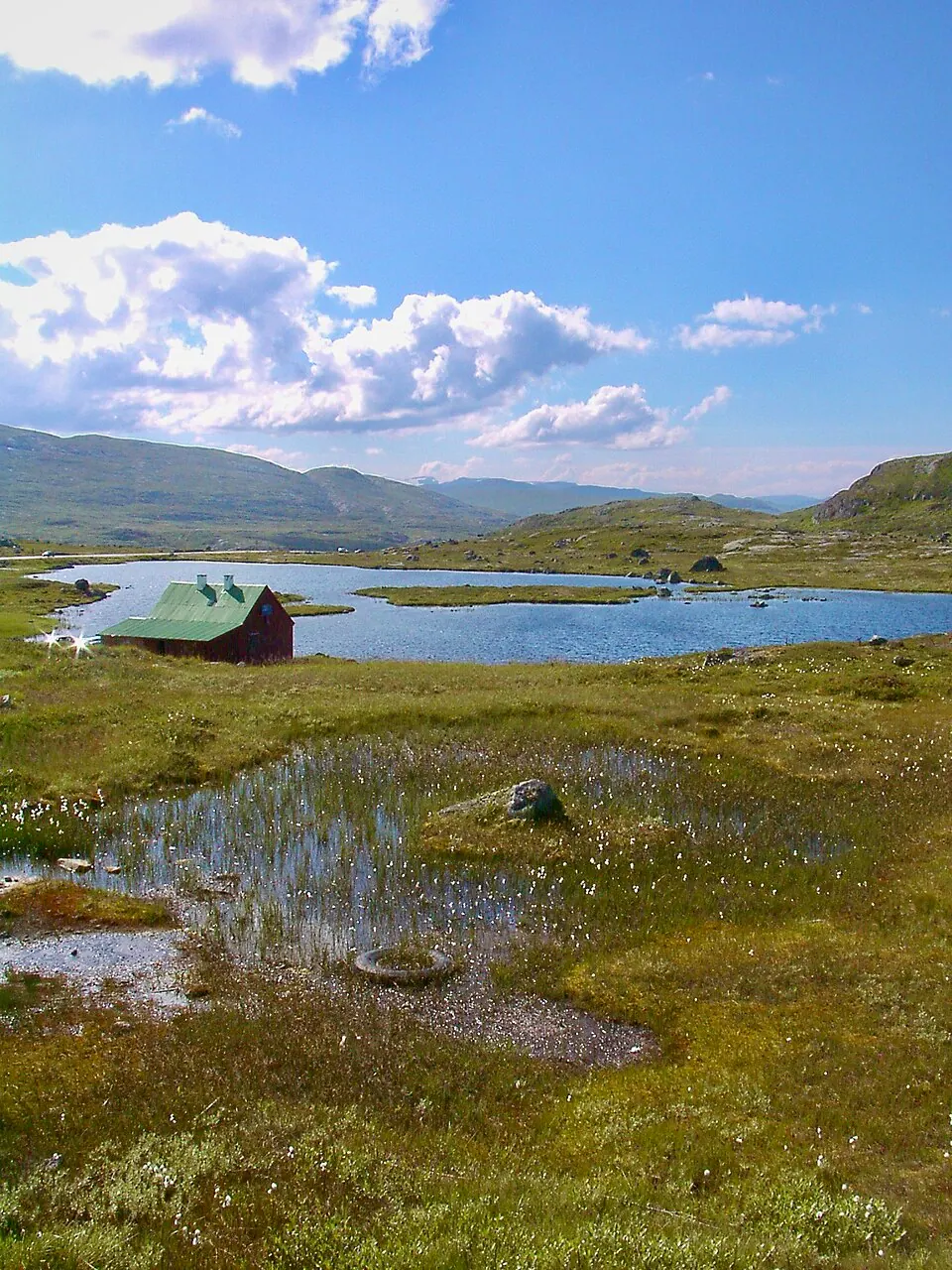
Photo, CC BY-SA 3.0, via Wikimedia Commons. Hardangervidda is a mountain plateau in central southern Norway, covering parts of Vestland, Telemark, and Buskerud counties. Wikipedia
The plateau on the Rv7 between Oslo and Bergen: wild, empty and with simple campsites at either end.
Written about in 26 languagesStart a trip here
3 Geirangerfjord
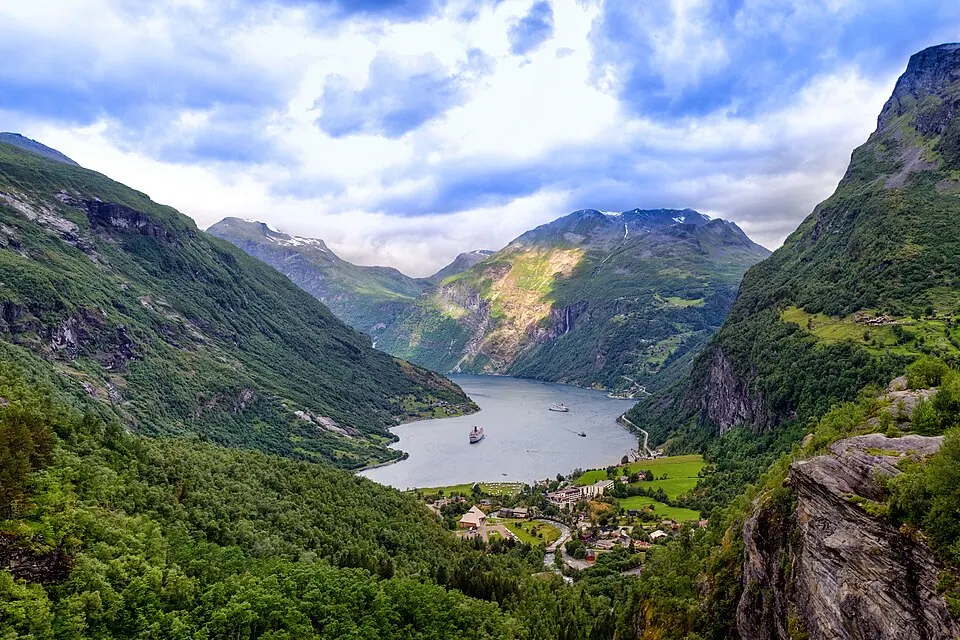
Photo by Andreas Trepte, CC BY-SA 2.5, via Wikimedia Commons. Geirangerfjorden (Norwegian) or Geiranger Fjord (English) is a fjord in the Sunnmøre region of Møre og Romsdal county, Norway. It is located entirely in Stranda Municipality. Wikipedia
The campsites at the head of the fjord are among the most photographed in the country. Book.
Written about in 54 languagesStart a trip here
4 Lofoten
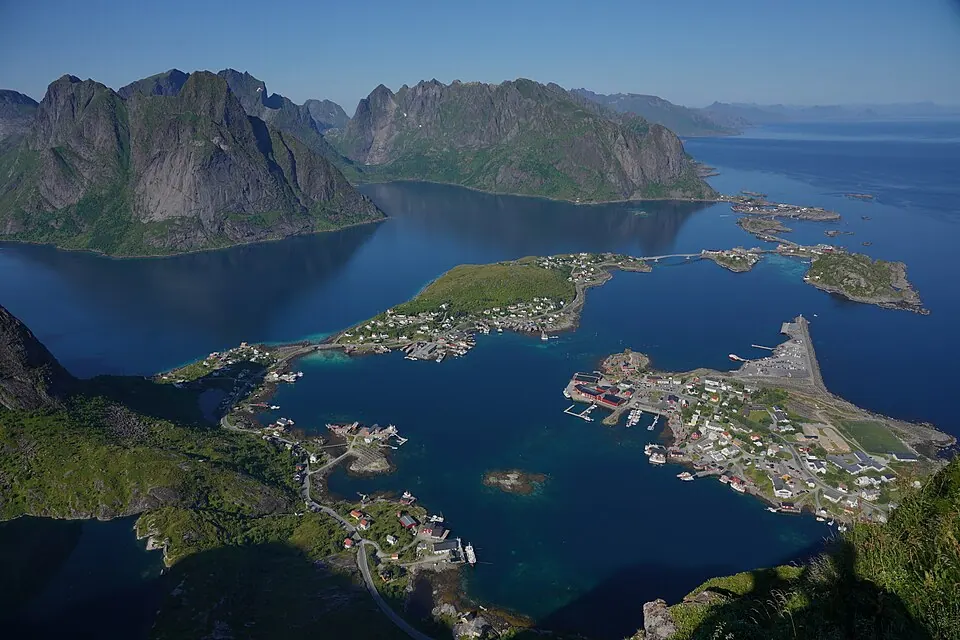
Photo by Lukas Beck, CC BY 4.0, via Wikimedia Commons. Lofoten is an archipelago and a traditional district in the county of Nordland, Norway. Lofoten has distinctive scenery with dramatic mountains and peaks, open sea and sheltered bays, beaches, and untouched lands. Wikipedia
Beaches, mountains and the midnight sun. The campsites at Ramberg and Reine are the ones everyone wants.
Written about in 71 languagesStart a trip here
5 Jotunheimen
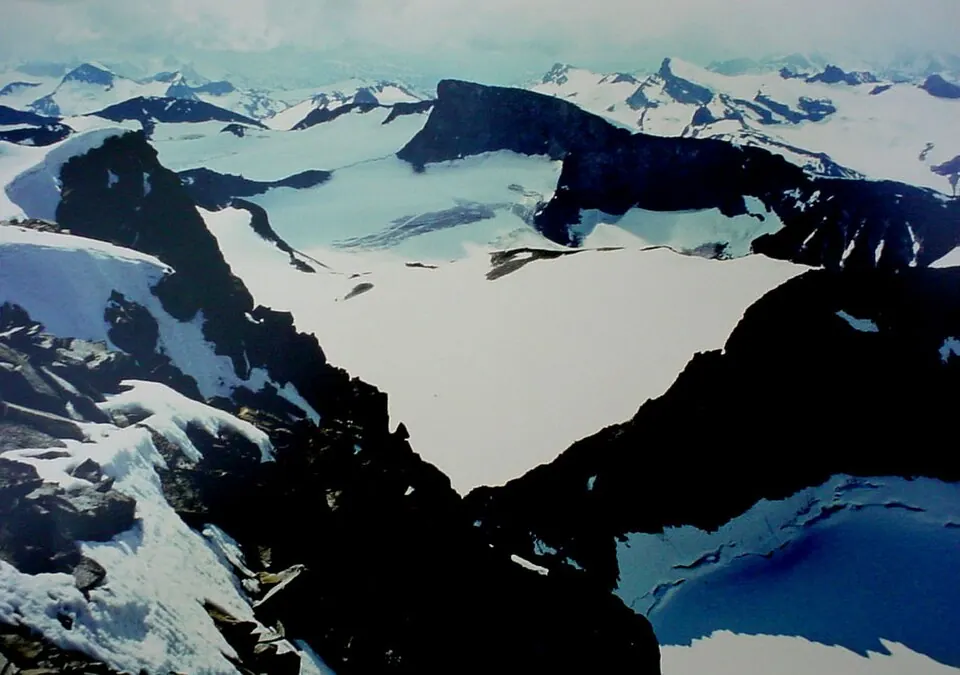
Photo, CC BY-SA 2.5, via Wikimedia Commons. Jotunheimen is a mountainous area of roughly 3,500 square kilometres (1,400 sq mi) in southern Norway and is part of the long range known as the Scandinavian Mountains. Wikipedia
Norway's highest mountains, with the Sognefjellet road over the top and campsites at Lom and Turtagrø.
Written about in 37 languagesStart a trip here
6 Senja
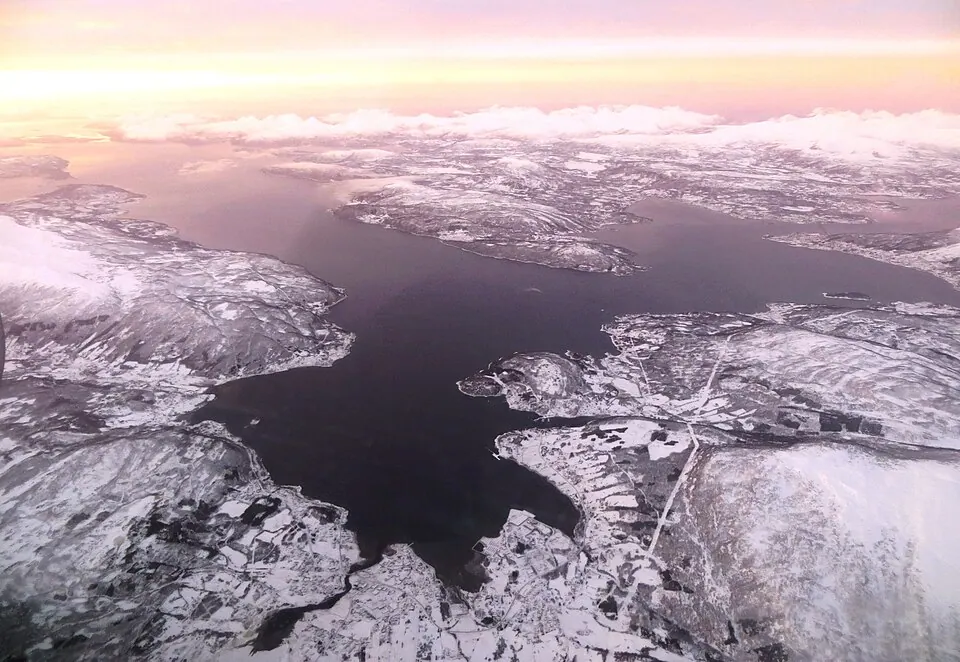
Photo by Bjoertvedt, CC BY-SA 3.0, via Wikimedia Commons. Senja (Norwegian) or Sážžá (Northern Sami) is an island in Senja Municipality in Troms county, Norway in northern Europe. With an area of 1,586.3 square kilometres (612.5 sq mi), it is the second largest island in Norway (outside the Svalbard archipelago). Wikipedia
The quieter Lofoten, one island north. Narrow roads, so check your length.
Written about in 37 languagesStart a trip here
7 AutoPASS tolls and ferries
Autopass (stylized as autoPASS) is a Norwegian electronic toll collection system. It allows collecting road tolls automatically from cars. Wikipedia
Register the van for AutoPASS before you go: tolls and most ferries are charged automatically by number plate, and the ferry discount is worth it.
Written about in 6 languages
Riding or driving it
Campervan days in Norway are short: 150 km with a ferry is plenty. Roadlegs plans 4-hour days for a van, routes with a truck profile for your height and weight, and finds the campsites around each night.
Open the plan in Roadlegs How the planner handles this vehicle.
About the facts and photos
The descriptions in italics are the opening sentences of the Wikipedia article for each place, used under CC BY-SA 4.0, fetched on 6 October 2026. Photos are from Wikimedia Commons under the licence named beside each one. "Written about in N languages" counts the Wikipedia editions that have an article, from Wikidata; it is a measure of how well known a place is, not a rating. Everything else is the author's own opinion. Roads close with the seasons: check before you go.
More ideas
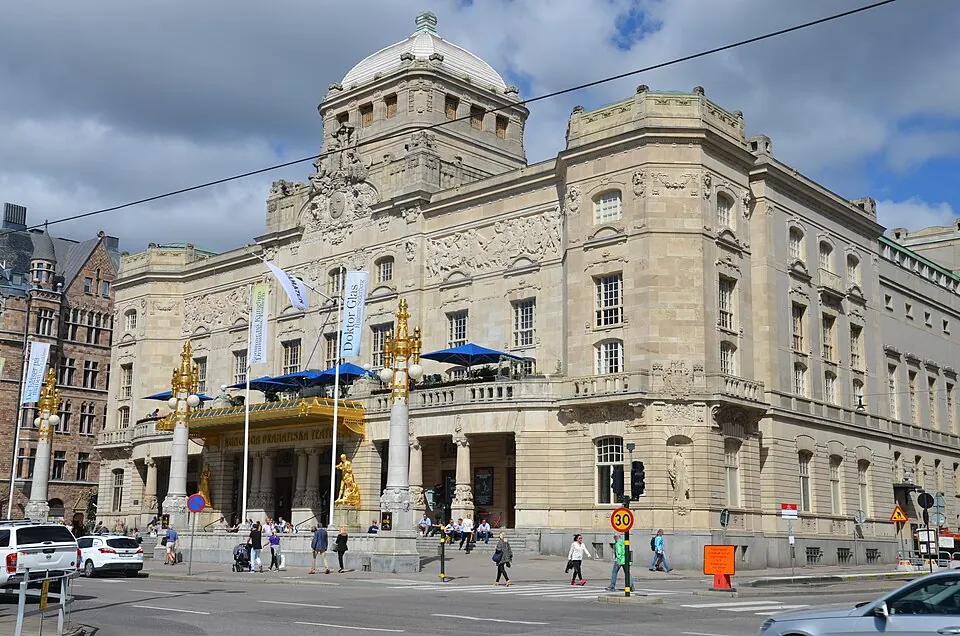
Sweden and Finland by campervan: lakes, coast, right to roam
A two-week campervan route through Sweden and Finland: Stockholm, the High Coast, the Finnish lakeland, Helsinki and the ferry back, with the camping rules.
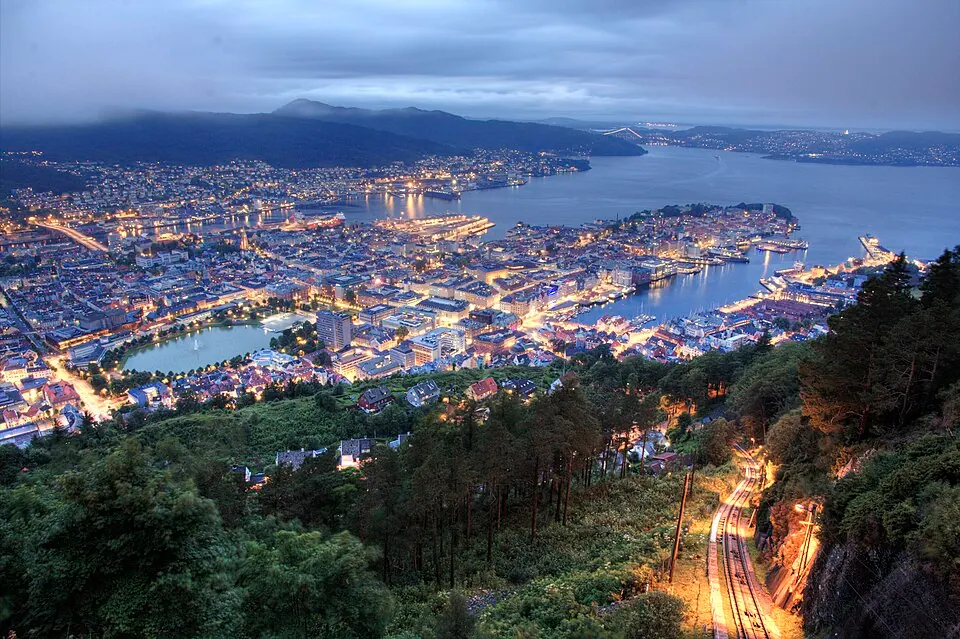
A fjord road trip in Norway by car: 7 stops in 7 days
A one-week car itinerary through the Norwegian fjords from Bergen to Ålesund: Hardanger, Flåm, Sognefjord, Geiranger, Trollstigen and the Atlantic Road.
The 10 best campervan routes in Europe
Ten routes for a campervan or motorhome in Europe: Norway's fjords, the Scottish Highlands, the Atlantic coast of France and Portugal, Slovenia, Croatia and the Alps.
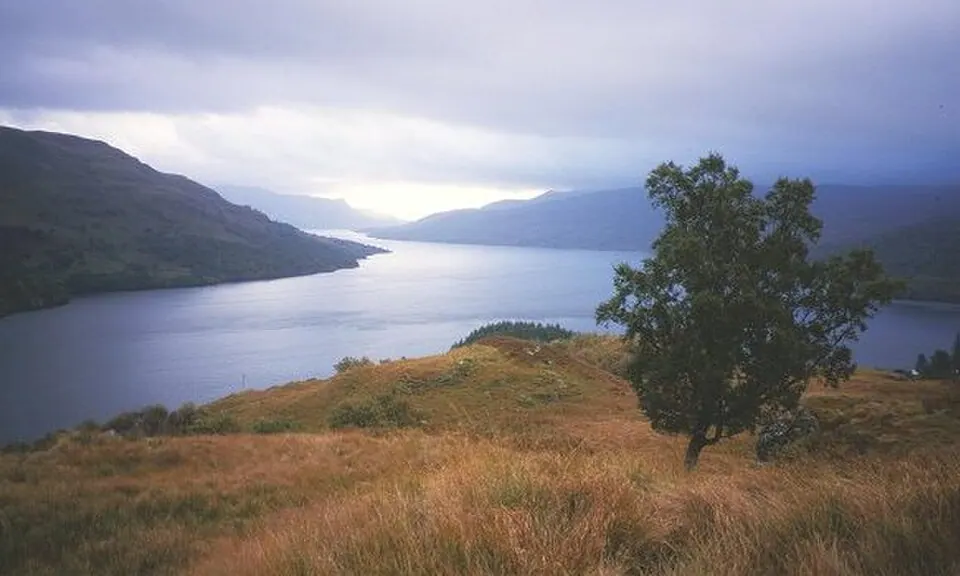


Scotland by campervan: a Highlands route with campsites
A ten-day campervan route through the Scottish Highlands: Glencoe, Skye, Torridon, the NC500 west coast, Orkney and the Cairngorms, with campsite stops.